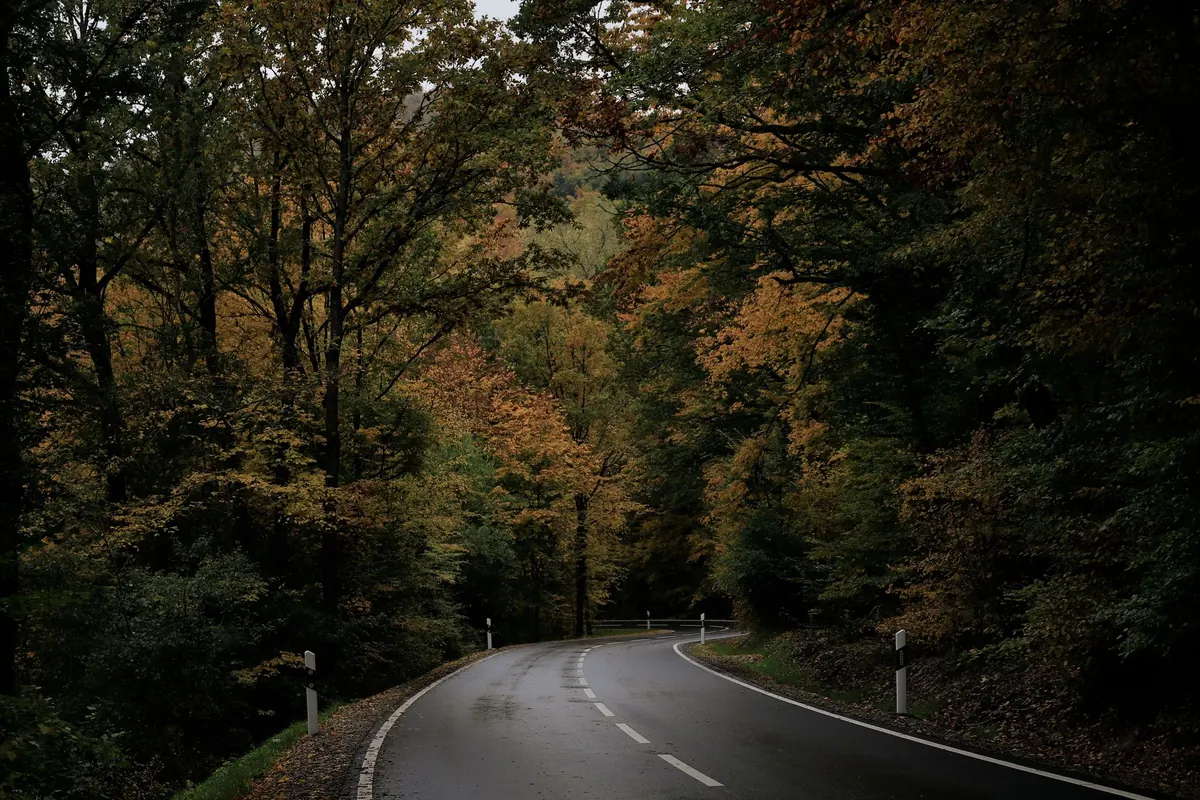
Autumn around the Great Lakes moves like a wave, not a switch. It starts in the maple ridges and tamarack swamps of northern Minnesota and Ontario in late September, rolls through Michigan's northern lower peninsula in the first half of October, and finally reaches the Ohio lake plain and southern Wisconsin a couple of weeks later. That spread is the good news: if you miss peak color in one place, you can drive a few hundred miles south and catch it again.
What follows are six drives worth building a long weekend around, plus the timing details that keep a fall road trip from turning into a hunt for leaves that have already dropped.
Timing the Color
Peak foliage shifts a little every year depending on frost, wind, and how wet the summer was, but the general order is reliable. Elevation and water matter as much as latitude. A ridge-top hardwood stand will turn a week before the shoreline a few miles away, and north-facing slopes color ahead of south-facing ones.
- Late September to early October: northern Minnesota, Ontario's Algoma country and Algonquin Park, Michigan's Upper Peninsula.
- Early to mid-October: northern lower Michigan, the Traverse City area, northern Wisconsin.
- Mid-October: Door County, the Lake Michigan shoreline from Ludington south, Green Bay.
- Mid-to-late October: Ohio's Lake Erie shore, southern Michigan, southern Wisconsin, the Niagara River corridor.
State and provincial tourism offices publish weekly color reports through the season, and they are usually more accurate than any calendar.
M-22 and Sleeping Bear Dunes, Michigan
The M-22 loop around the Leelanau Peninsula is the classic Michigan fall drive, and it earns the reputation. From Traverse City, head west through Suttons Bay and Northport, then south along the Lake Michigan side through Leland, Glen Arbor, and Empire. The road threads between orchards, vineyards, and hardwood hills, with water views opening up without warning.
Two detours are worth the time. The Pierce Stocking Scenic Drive inside Sleeping Bear Dunes National Lakeshore is a 7.4-mile loop with a dune overlook that drops straight to Lake Michigan; a park pass is required, and mid-week mornings are far quieter. South of Empire, M-22 continues toward Frankfort and Point Betsie Lighthouse, where the shoreline turns rougher and the color contrasts with the water.
Where to stop
Glen Arbor and Leland make good lunch stops, and the old Fishtown shanties in Leland are a pleasant 20-minute walk. Fill your tank in Traverse City or Empire; services thin out quickly along the peninsula's west side.
The Tunnel of Trees, M-119
Michigan's M-119 runs about 20 miles from Harbor Springs to Cross Village, and for most of that distance it is a narrow, shoulderless ribbon under a canopy of beech, maple, and cedar. There is no center line for a long stretch, which tells you what the road expects: slow traffic, bicycles, and walkers sharing the pavement.
Drive it north in the afternoon if you can, with the sun behind you. Pull-outs are small and infrequent, so take them when they appear rather than planning a specific viewpoint. Cross Village at the end is the reward, and the bluff-top setting looks out over the lake toward the Beaver Island archipelago.
Minnesota's North Shore Scenic Drive
Highway 61 from Duluth to Grand Portage is roughly 145 miles of Lake Superior shoreline, and it is one of the most consistently beautiful drives in the Midwest. The color here leans toward birch, aspen, and maple, with dark spruce holding the contrast together.
Gooseberry Falls State Park, Split Rock Lighthouse, and Palisade Head are the headline stops, but the smaller ones hold up better on busy weekends. The Oberg Mountain loop trail near Tofte is a short hike with a big payoff, and the Cascade River and Temperance River waysides are quiet places to eat a sandwich. Peak color usually lands in the last days of September and the first week of October. Expect fog off the lake in the morning; it burns off by mid-morning and makes the light better anyway.
Door County Coastal Byway, Wisconsin
Highway 42 and 57 trace the Door Peninsula from Sturgeon Bay north to Northport, about 66 miles of limestone cliffs, orchards, and small harbor towns. Because the peninsula is surrounded by water on three sides, color holds a bit later here than inland Wisconsin, which makes it a good mid-October target.
Peninsula State Park near Fish Creek, Cave Point County Park, and Newport State Park are the natural highlights. Ephraim, Sister Bay, and Bailey's Harbor are the practical ones, with coffee, bakeries, and motels that fill up fast on fall weekends. October is also apple season, so roadside orchard stands are part of the experience; bring cash for smaller operations.
Ohio's Lake Erie Shore
Ohio's color arrives late, and that is exactly why this drive is useful. State Route 163 out to the Marblehead Peninsula puts you at the lighthouse and the edge of the lake, with East Harbor and the Catawba area nearby. Continue east through Port Clinton and on toward Geneva-on-the-Lake, where the Grand River Valley wine region sits just inland along routes 534 and 20.
Peak here is typically mid-to-late October. The lake moderates temperatures, so mornings can be surprisingly cool and breezy even on a mild day. If you have time for a second day, cut south to the Cuyahoga Valley between Cleveland and Akron for a very different, wooded kind of fall scenery.
Ontario: Algoma and Algonquin
Two Ontario drives deserve a mention for travelers willing to cross the border. Highway 129 north from Thessalon toward Chapleau winds through the Mississagi River valley, with hardwood ridges, almost no traffic, and long stretches without services. Fuel up before you commit.
Farther east, Highway 60 through Algonquin Park between Huntsville and Pembroke is a first-rate fall drive, with big sugar maple stands and decent odds of seeing moose at dawn and dusk. Give them room and slow down; they step out without warning. Ontario Parks publishes a color report that is worth checking before you commit to the drive.
Practical Notes for a Fall Drive
Fall color season is short, and so is the window for good lodging. A few habits make the difference between a relaxed trip and a frustrating one.
- Book early and book direct. Traverse City, Door County, Duluth, and Huntsville-area accommodations fill up for the first three weekends of October.
- Drive weekday mornings. Overlooks that are packed on Saturday are often empty on Tuesday, and lake fog burns off before lunch.
- Watch for deer at dawn and dusk. This is the season when they move most, and rural two-lane roads give you little warning.
- Never stop in the lane. Use signed pull-outs, and keep an eye behind you on narrow roads like M-119 and Highway 129.
- Plan fuel and food. Remote stretches in Algoma and along the North Shore can run 40 miles or more between services.
- Pack for two seasons. A warm afternoon by the water can turn into a cold, windy evening within an hour.
Check the color reports the week you leave, stay flexible about which route you take, and the Great Lakes will do the rest.
Photo: Christina & Peter / Pexels