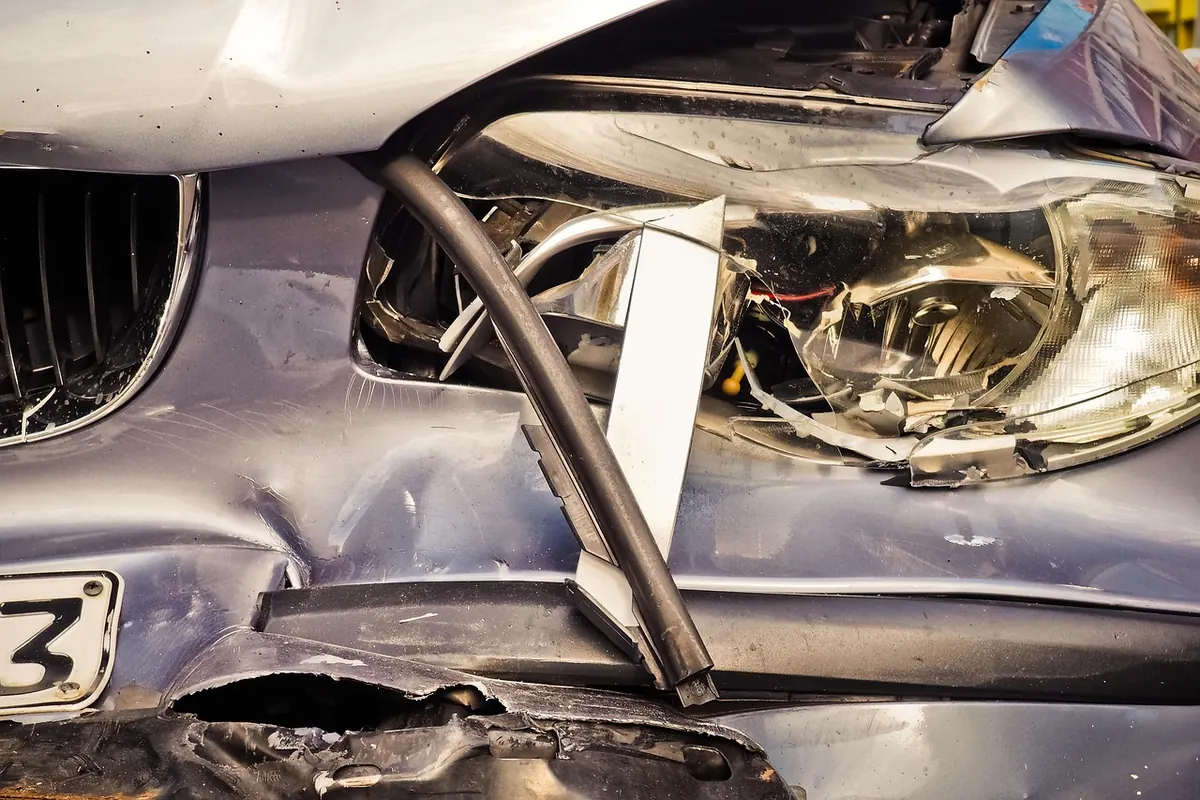
Two cars, a misjudged lane change, and a crunch you feel more in your chest than in your bumper. Most minor collisions are exactly like that: startling, inconvenient, and survivable. What separates a stressful afternoon from a stressful month is usually how well you handle the twenty minutes right after the impact. Work through this checklist in order, and you will walk away with everything your insurer, the police, and your body might need later.
Stop, Breathe, and Check for Injuries
Stop. Leaving the scene of a collision, even a glancing one in a parking garage, is a serious offense in most places. Put the car in park, switch on your hazard lights, and take one slow breath before doing anything else.
Adrenaline does a good job of hiding pain, so check yourself and every passenger deliberately. Ask each person how they feel, and look for visible injuries. If anyone is hurt, or if someone is unresponsive or complaining of neck or back pain, call emergency services and tell them not to move unless they are in immediate danger.
If the injuries look minor, remember that you are not qualified to rule anything out. Symptoms often surface hours later. If you feel off, get checked. That is a medical question, so trust a doctor rather than a checklist.
Get Out of Traffic Without Becoming a Target
If your cars are drivable, move them out of the flow of traffic: to the shoulder, a side street, or an empty corner of the lot. That reduces the chance of a second collision, which is often worse than the first.
If the vehicles cannot move, stay inside with your seatbelt on when you are in a live lane, unless it is clearly safer to get out. Never stand between two cars or directly behind your vehicle where oncoming traffic cannot see you. Keep your hazards on, and set flares or warning triangles only if you carry them and can place them safely.
Decide Whether to Call the Police
Call the police at the scene if any of these apply:
- Someone is injured, even slightly
- The other driver leaves or tries to leave
- A driver appears impaired or refuses to share details
- The other driver is uninsured or cannot produce a license
- A driver is aggressive and you feel unsafe
- You hit public property such as a sign, guardrail, or parked car
- Damage looks more than cosmetic, or you disagree about what happened
For a genuine parking-lot scrape with a cooperative driver and no injuries, many police departments will not send an officer. That does not mean you skip reporting. Many jurisdictions still require you to file a crash report, often at a station or online within a set number of days. Requirements vary widely by state and country, so check your local rules or ask a qualified professional if you are unsure.
If an officer does attend, ask for the report number and how to get a copy. Write both down before you drive away.
Exchange Information and Document Everything
Collect the same details from every driver involved, and photograph documents rather than trusting your memory. You want:
- Full name, phone number, and address
- Driver's license number and issuing state
- Insurance company name and policy number
- License plate, make, model, color, and year
- Number of people in the other vehicle
Then photograph the scene properly. Take a wide shot showing both cars and the road layout, close-ups of every damaged panel, the license plates, and any skid marks, broken glass, or debris. Note the time, date, exact location, weather, and traffic conditions in your phone's notes app.
If there are witnesses, ask for names and phone numbers before they leave. Bystanders disappear fast, and their account can matter if the other driver's story changes.
Watch What You Say
Be polite and stay factual. Do not apologize, speculate, or say "it was my fault," even if you believe it was. An offhand apology can be treated as an admission later, and fault is usually a question for insurers, not for the two of you on the shoulder.
Do not argue, negotiate, or accept cash on the spot. A quick settlement may leave you covering repairs, a rental car, or a medical bill you have not seen yet. Keep the conversation to names, insurance, and logistics, then step away.
Notify Your Insurer Promptly
Most policies require you to report a collision within a reasonable time, so call the same day or the next morning. Have your photos, the police report number, and the other driver's details ready.
Ask direct questions: what your deductible is, whether this claim affects your premium, how the repair estimate process works, and whether you can choose your own shop. If the other driver's insurer calls, you may speak with them, but you are allowed to say you would like to call back after talking to your own insurer. Coverage terms and liability rules differ by policy and by region, so treat general guidance as a starting point and confirm the specifics with your insurer or a qualified professional.
Start a simple folder, digital or paper, for claim numbers, adjuster names, dates, and receipts.
Handle Repairs and Your Own Recovery
Get more than one estimate if you are paying out of pocket. If you are claiming, your insurer may recommend a shop, but in many places you have the right to use another one. Save receipts for towing, storage, and a rental car if you are entitled to one.
Pay attention to your body over the next few days. Headaches, neck stiffness, or soreness that shows up two days later is common after even a low-speed impact. See a doctor rather than pushing through it.
The Five-Minute Prep That Makes This Easy
Keep a small kit in the glovebox: insurance card, registration, a pen, a notepad, a phone charger, and a flashlight. Save your insurer's claims number in your phone. Then, when something goes wrong, you are not improvising. You are just following steps.
A minor accident rarely ruins anyone's day on its own. What ruins it is a missing police report number, an apology you did not need to make, or a sore neck you ignored. Handle the first twenty minutes well, and the rest is just paperwork.
Photo: 652234 / Pixabay