Ask four drivers how often to change their oil and you will get four confident answers, and at least three of them are probably out of date. The 3,000-mile oil change made sense when engines ran on conventional oil, carburetors were the norm, and tolerances were looser. Modern engines, modern oils, and oil-life monitoring systems have moved on. Plenty of habits, and plenty of windshield stickers, have not.
Here is the short version: your owner's manual has the final word, your driving decides whether you follow the normal or the severe schedule, and time matters as much as mileage. Everything below is the reasoning behind that, plus a routine you can actually keep up with.
Why the 3,000-Mile Rule Refuses to Die
The number survives for a few reasons. Quick-lube shops built their business model around it, and a printed reminder sticker is a cheap way to get you back through the door. It is also the safe answer: nobody ever destroyed an engine by changing the oil early.
But "safe" and "necessary" are different things. Today's oils resist heat, oxidation, and viscosity breakdown far better than the stuff on shelves in 1985. Fuel injection and tighter engine management keep air-fuel ratios more consistent, so less unburned fuel washes past the rings into the crankcase. Engines also hold less oil in some cases but run cleaner overall. Changing full synthetic oil at 3,000 miles on a car that calls for 10,000 is mostly a way to spend money you did not need to spend.
Start With the Manual, Not the Sticker
Open the owner's manual, or the maintenance guide that came with it, and find the oil change section. Almost every manufacturer publishes two schedules there:
- Normal service — long highway commuting, moderate temperatures, light loads, few cold starts.
- Severe service — short trips, stop-and-go traffic, extreme heat or cold, towing, heavy loads, dusty roads, long idling.
The intervals can differ by thousands of miles between those two columns, and the severe column is usually far shorter than people expect. A shop that prints 3,000 miles on your sticker regardless of what your manual says is giving you generic advice, not advice for your car.
If your vehicle is under warranty, following the manual protects you. Going shorter than required is fine but rarely necessary. Going longer can give a manufacturer a reason to question a claim, so keep receipts and a simple log.
Which Schedule Actually Applies to You
Most drivers assume they fall under normal service. Many do not. Be honest about your week:
- Do most of your trips end before the engine reaches full operating temperature?
- Is your commute a stoplight-by-stoplight crawl rather than steady highway running?
- Do you tow, haul, or carry a loaded roof rack regularly?
- Do you idle a lot, whether in drive-thru lines or warming the car up on winter mornings?
- Do you drive on gravel, dirt, or dusty roads?
Two or three yeses usually puts you in severe service territory. That is not a punishment; it is just a description of how the oil is being worked. Short trips never let moisture and fuel contaminants burn off, so they accumulate in the crankcase and form acids and sludge. Highway miles do the opposite: the oil reaches temperature, the water vapor boils out, and the additive package does its job for far longer.
The Clock Matters as Much as the Odometer
Oil degrades even when the car sits. Additives deplete, oxidation continues, and condensation forms inside the engine as temperatures swing. A low-mileage car that does a lot of short hops can be harder on its oil than a high-mileage commuter that never sees traffic.
For that reason, most manuals list a time limit alongside the mileage figure, commonly once a year for cars that do not hit the mileage interval first. If you drive a few thousand miles a year, do not skip an oil change just because the number on the sticker has not arrived. Age alone is enough.
Oil Life Monitors, Synthetics, and Filters
Many newer cars calculate remaining oil life for you. Some systems are sophisticated, factoring in engine temperature, cold starts, idle time, and rpm; others are essentially mileage counters with a percentage display. Either way, treat the monitor as a guide that works alongside the manual, not as permission to ignore it.
On synthetic oil, a common misunderstanding: synthetic lubricant generally holds up better than conventional, but that does not automatically double your interval. The correct interval is what the manufacturer specifies for the oil grade they require. Using a better oil than the minimum does give you margin, especially in severe service. It does not make the filter, the seals, or the engine's contamination load disappear.
Speaking of filters, change it with the oil, every time. A restricted filter on an extended interval is a false economy. And check the oil level monthly, on level ground with the engine off long enough to let oil drain back. Low level does more damage than slightly old oil, and many engines consume a little between changes by design.
A Routine You Can Actually Follow
- Find the oil change section of your owner's manual and write down both the normal and severe intervals, including the time limit.
- Decide honestly which schedule fits your driving, based on the questions above.
- Set a reminder for mileage or date, whichever arrives first. Pick the one you will actually notice.
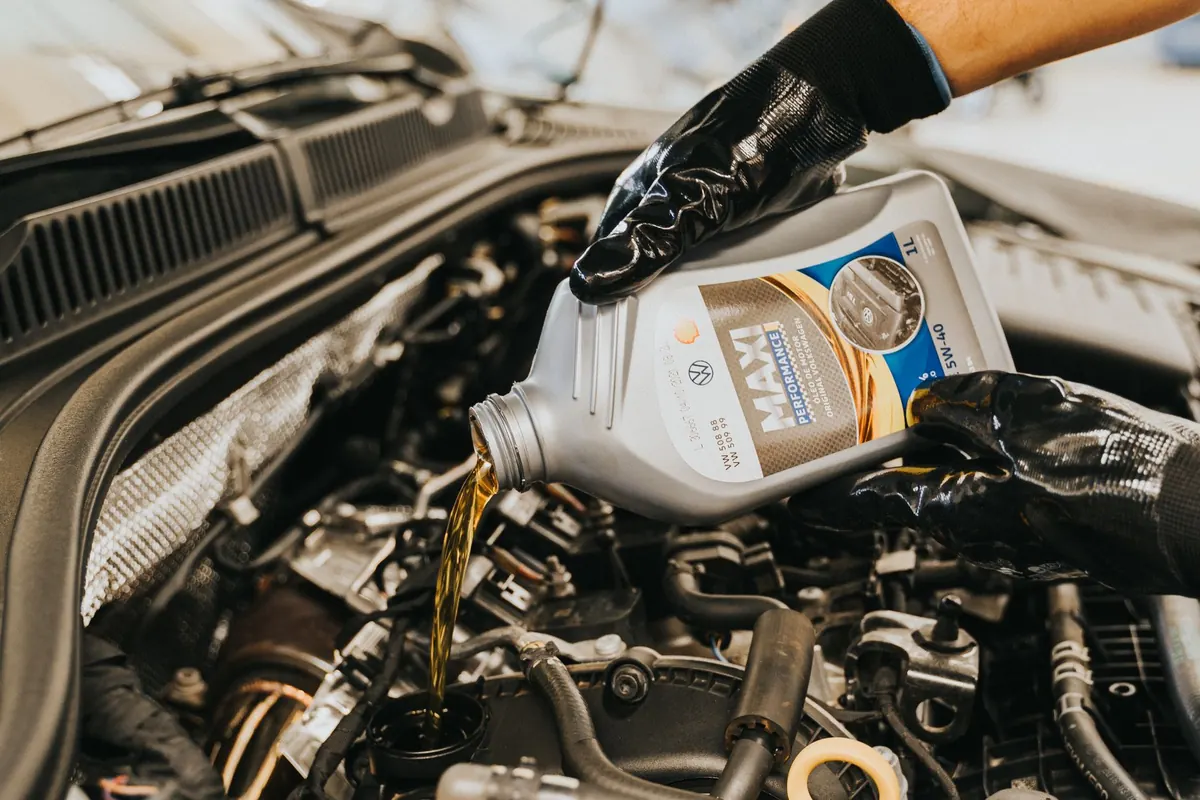
- Check the level once a month and top off with the exact viscosity and specification the manual lists.
- Keep a one-line log: date, mileage, oil used, filter part number. A note in your phone is enough.
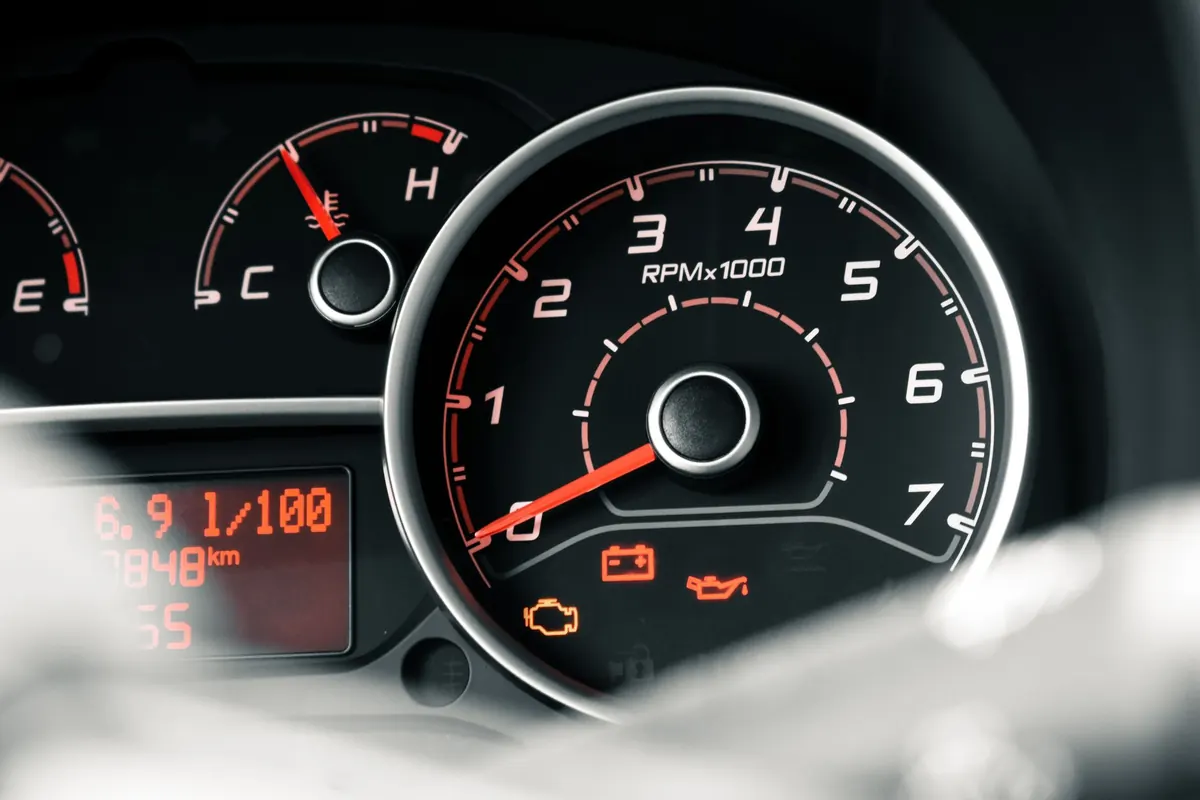
- Watch for warning signs between changes: an oil pressure light, a burning or fuel smell, milky residue under the cap, or oil that feels gritty rather than slick.
- Act on the oil pressure light immediately. Stop the engine safely and check the level before driving further.
The Bottom Line for Real Drivers
If you commute mostly on highways at moderate temperatures with a modern engine and the oil your manual specifies, the normal schedule is fine, and on many cars that lands somewhere in the 7,500 to 10,000 mile range. If your driving is mostly short trips, winter cold, traffic, towing, or dust, move to the severe interval, which often falls nearer 5,000 miles or less. Never let it run past the time limit, and never past a year without a good reason.
If you are unsure which schedule fits your engine, or your car is under warranty and you want to keep things simple, ask your dealer's service department or a mechanic you trust to point to the exact line in your manual. It takes five minutes, and it is the only answer that is genuinely specific to your car. For anything involving warranty coverage or a suspected engine problem, get professional advice rather than guessing.
Photo: Daniel Andraski / Pexels